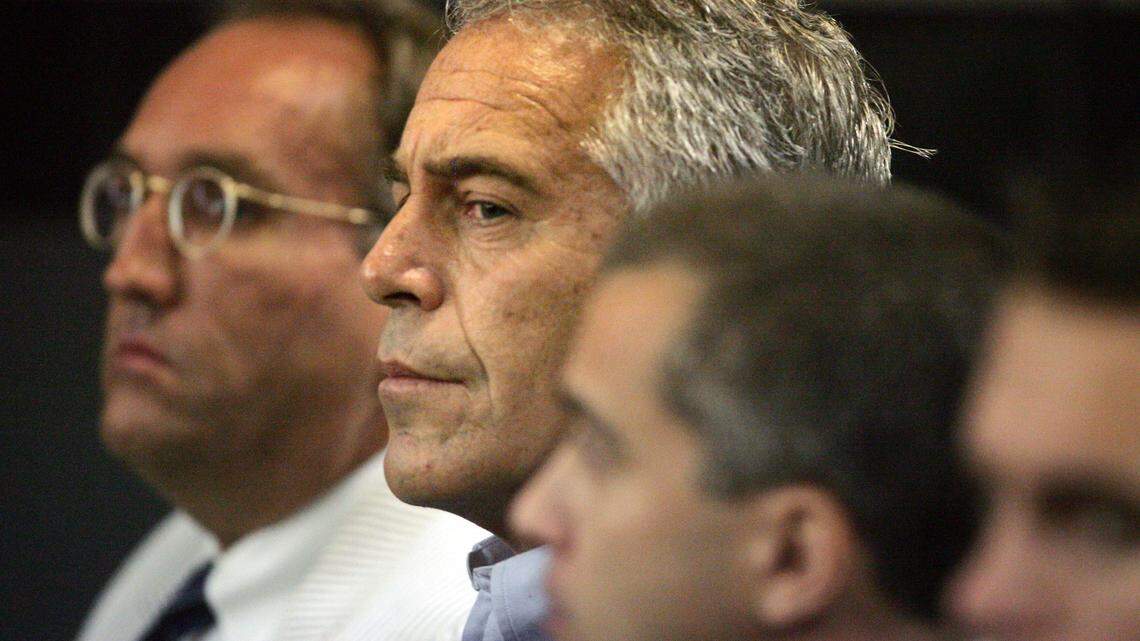
When the Miami Herald launched its three-part investigation Perversion of Justice in November 2018, it awakened the world to a decades-long injustice suffered by dozens and perhaps hundreds of young girls, many of whom had never spoken about their abuse at the hands of Jeffrey Epstein. Epstein was friends with some of the most powerful people in the world, including President Donald Trump, former President Bill Clinton and former British Royal Prince Andrew, which has led to questions about whether the lenient plea deal he received was legal. Seven months after the Herald’s series, prosecutors in the Southern District of New York arrested Epstein on sex trafficking charges. Then, a month later, Epstein was dead. He was found hanging in his federal jail cell, his death was ruled a suicide. Two years later, Epstein’s former girlfriend, British socialite Ghislaine Maxwell, was convicted of sex trafficking. Over the past eight years, Miami Herald journalists continued to dig into the Epstein case, filing hundreds of stories, editorials, columns and videos. Now, twenty years after Epstein first cut his deal with federal prosecutors, Congress passed a law requiring the Department of Justice to release all of its files from its investigations into Epstein’s crimes and the names of people who helped him and participated in the abuse.
About the Author